EVALUATE
Platform Architecture

Strategic planning for organizations preparing to modernize, scale, or rebuild their website.
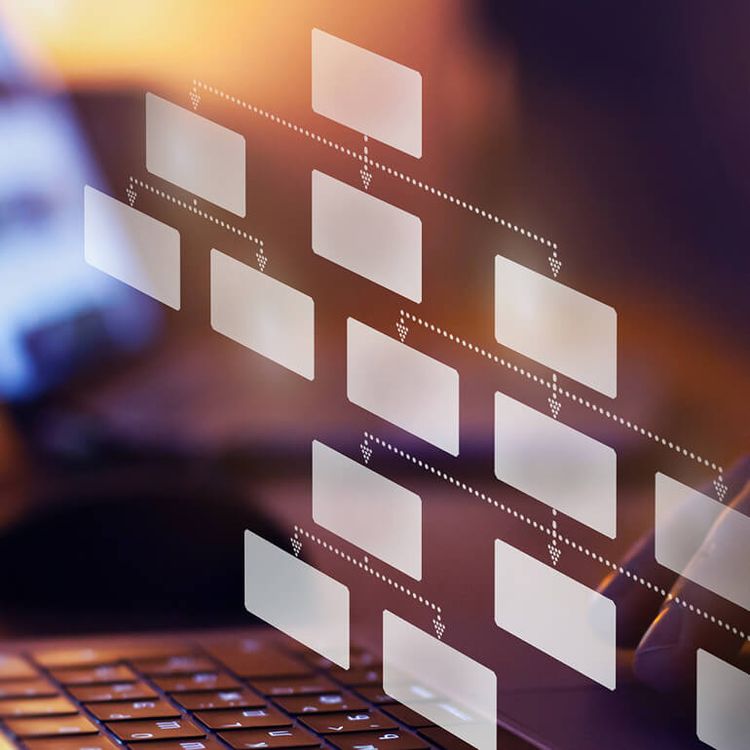
Organizations often jump directly into website redesigns or platform rebuilds without fully understanding how their systems should evolve. CMS choices, integration requirements, content structures, and user experience decisions all shape the success of a digital platform. A structured roadmap ensures that these are aligned before major investments are made.
EVALUATE
Platform Architecture
PLAN
Systems Integrations

DESIGN
Content Models
BUILD
Execution Roadmaps

Determine whether your platform should remain monolithic, move to a headless architecture, or adopt a composable approach.

Define how CMS platforms, marketing tools, analytics systems, and internal applications connect across your ecosystem.

Outline user journeys, navigation structure, and reusable interaction patterns before interface design begins.

Design scalable content models that support multi-channel publishing and component-driven experiences.

Identify hosting, caching, and delivery strategies that ensure speed and long-term scalability.

Evaluate legacy systems and identify areas where outdated architecture may slow development or limit growth.
Over the last 7.5 years, my partnership with Chronos at Proofpoint has been deeply rewarding. They bring a rare combination of design expertise, technical fluency, and genuine investment in mutual success — and they do it consistently, project after project. They’ve grown alongside our team, always showing up as true collaborators who care about the outcome of initiatives as much as we do. I trust them completely, and that trust has only deepened over time.
Not necessarily.
Every organization starts from a different place. Our Digital Platform Roadmap engagement evaluates your current website, technology stack, content, and business objectives to determine whether incremental improvements, a phased migration, or a complete platform modernization makes the most sense.
Our goal is to recommend the right path, not automatically recommend a rebuild.
A headless website separates the content management system from the presentation layer that visitors see.
This approach provides greater flexibility, improved performance, easier integrations, and a longer technology lifespan. It also allows organizations to adopt new tools and capabilities without repeatedly rebuilding their entire website. Modern headless platforms are increasingly becoming the foundation for scalable digital ecosystems.
No.
Modern headless platforms can provide intuitive, no-code content management experiences while giving developers far greater flexibility behind the scenes. Chronos routinely implements headless CMS solutions that allow content editors to build pages from a library of diverse components, manage navigation, news, publications, and other website content without technical assistance.
The goal is to improve both the editor experience and the visitor experience.
AI is a tool, not a strategy.
We don't believe organizations should modernize their websites simply because AI is popular. However, we do believe that modern architectures are better positioned to take advantage of emerging technologies, including AI-powered development workflows, content operations (e.g. personalization and localization), analytics, and future marketing capabilities.
Our focus is helping clients build flexible digital foundations that can adapt as technology evolves.
The timeline depends on the size and complexity of the website.
Factors include:
No.
Content preservation and migration planning are a core part of the modernization process. We evaluate existing content, identify opportunities to improve content structure, and develop migration strategies that minimize manual effort whenever possible. Automated migration tools and scripts can often be used to move large volumes of content efficiently.
Some common indicators include:
A Digital Platform Roadmap engagement helps identify these constraints and determine whether modernization would create meaningful business value.
You receive a practical modernization plan tailored to your organization.
This typically includes:
Assessment of your current platform Identification of technical and operational constraints Architecture recommendations Migration strategy options Prioritized implementation roadmap Budgetary and timeline considerations Recommendations for future technology adoption
The result is a clear understanding of where your platform stands today and a roadmap for where it should go next.
If you're thinking about the future of your platform, we’d be glad to help you plan the next step.
This website uses cookies to ensure you get the best experience on our website.